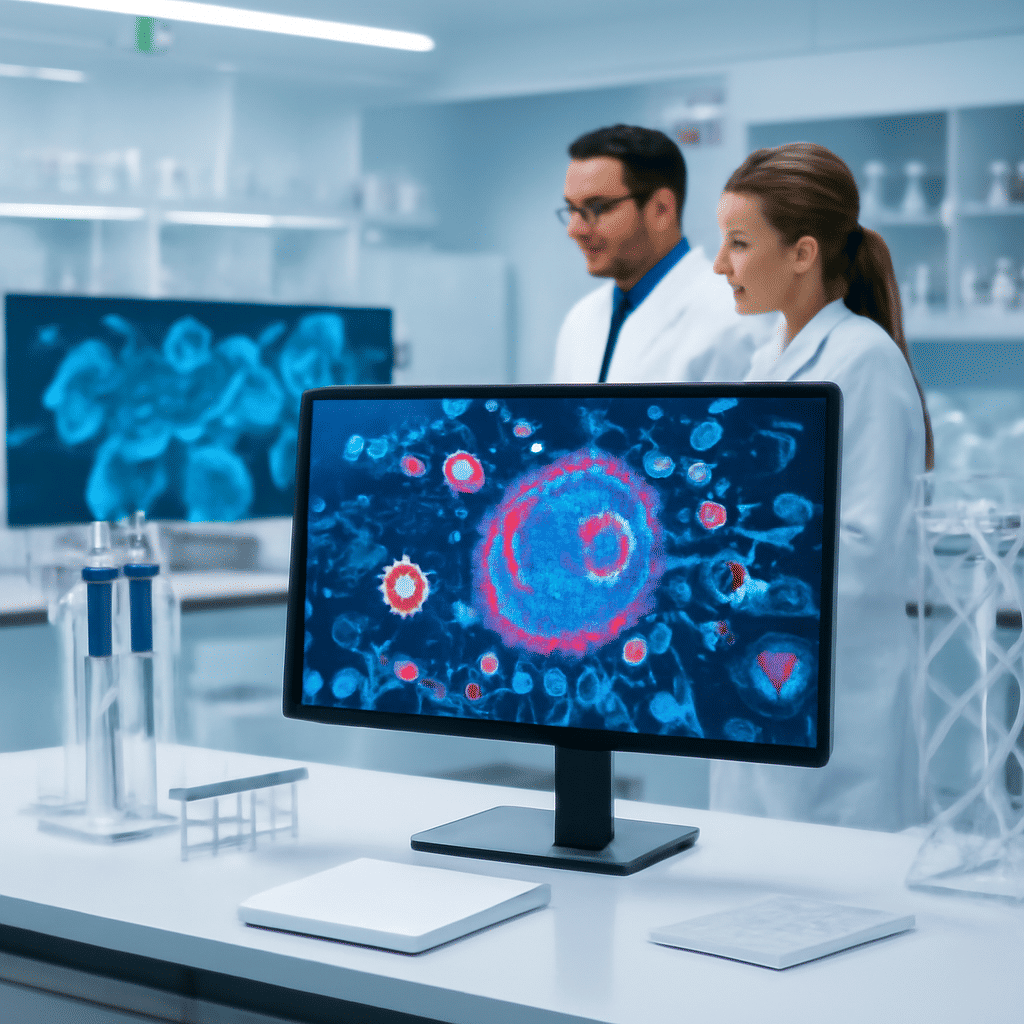
In recent years, biotechnology has emerged as a pivotal force in revolutionizing healthcare and improving the quality of life across the globe. This field, which combines biology with technology, continues to break new ground with innovations that promise to transform how we diagnose, treat, and prevent diseases. As these advances make their way from laboratories to clinics, they offer hope for millions of patients and present possibilities previously deemed unimaginable.
A significant area where biotechnology is making profound impacts is personalized medicine. This approach tailors medical treatments to the individual characteristics of each patient, moving away from the traditional one-size-fits-all model. By leveraging genetic information, healthcare providers can now predict how a person is likely to respond to certain medications, thus minimizing side effects while maximizing efficacy. Companies specializing in genomic sequencing and bioinformatics are leading this charge, providing tools that allow for the precise analysis of individual genomes. This enables the development of bespoke therapies that target specific mutations in diseases such as cancer, ensuring that patients receive the most effective treatments for their unique genetic makeup.
Biotechnology is also redefining the frontiers of regenerative medicine. Stem cell research, for instance, holds the promise of repairing or replacing damaged tissues and organs, offering potential cures for conditions that currently have limited treatment options. Innovations in this area include the development of bioengineered tissues and organs that can be transplanted without the risk of rejection, addressing the growing demand for organ transplants. Researchers are now exploring ways to accelerate the growth of these bioengineered tissues, with the hope that someday, waiting lists for organ transplants could become a thing of the past.
Moreover, the advent of CRISPR-Cas9 and other gene-editing technologies has opened the doors to correcting genetic defects at their source. This revolutionary tool allows for precise edits to the DNA of living organisms, with applications ranging from curing genetic diseases such as cystic fibrosis and sickle cell anemia to potentially eradicating hereditary conditions for future generations. The ethical considerations around gene editing are complex and continue to be debated; however, the potential benefits cannot be overstated.
Biotechnology's role in vaccine development has also been underscored in recent years, especially in light of the COVID-19 pandemic. The swift development and deployment of mRNA vaccines demonstrated the power of biotechnological innovations in responding to global health crises. The success of such vaccines has not only improved pandemic response capabilities but also paves the way for the development of vaccines against other persistent infectious diseases, including influenza, HIV, and malaria.
Additionally, biotechnology is making strides in enhancing agricultural outputs, which indirectly affects healthcare by improving food security and nutrition. Enhanced crop varieties, resistant to pests and environmental stresses, have been developed through biotechnological methods, ensuring better yields and thus a more reliable food supply. Improved nutrition contributes to better health outcomes, reducing the burden on healthcare systems.
Importantly, as biotechnology continues to evolve, so too must the frameworks governing its application. Ethical, legal, and social considerations must be at the forefront of all biotechnological advancements. Ensuring equitable access to these innovations, protecting patient data, and maintaining rigorous regulatory standards will be critical to successfully integrating biotechnology into everyday healthcare.
In conclusion, biotechnology stands at the forefront of a new era in medical science. By harnessing the power of genetic information, regenerative technologies, and molecular biology, it is set to deliver groundbreaking solutions that enhance healthcare and quality of life worldwide. As these innovations continue to mature, they hold the promise of not only transforming how we approach medical challenges but also of ushering in a healthier, more sustainable future for all.